Authored By-Riis Goldman
You could think cataracts can return after surgery, however that's not quite the case. The over cast lens is changed with a clear synthetic one, getting rid of the initial concern. Nevertheless, some individuals notification acquainted signs in the future. What could be creating this? Recognizing the nuances of your vision after surgical treatment is critical. Allow's explore why these modifications take place and what you can do about them.
What Occurs to Your Vision After Cataract Surgical Treatment?
After cataract surgical procedure, you could notice substantial renovations in your vision, as the cloudy lens is replaced with a clear synthetic one. Several individuals experience boosted quality and brightness, making colors show up more lively. You might discover analysis easier and take pleasure in better night vision.
Nonetheless, it's typical to have some variations in your vision during the healing process. You may observe some blurriness or discomfort at first, but these signs normally enhance over time. Follow your surgeon's post-operative care instructions to guarantee ideal recovery.
Your eye may take a couple of weeks to completely change, so hold your horses. On https://mgyb.co/s/ViPxF , you can anticipate a favorable improvement in your vision, improving your daily activities and overall lifestyle.
Why Do Some Patients Experience Cataract Signs Once Again?
While cataract surgical treatment often brings about exceptional vision improvement, some people locate themselves experiencing cataract symptoms once more gradually. This can take place due to a condition called posterior capsule opacification (PCO), where the thin membrane layer holding the lens becomes cloudy.
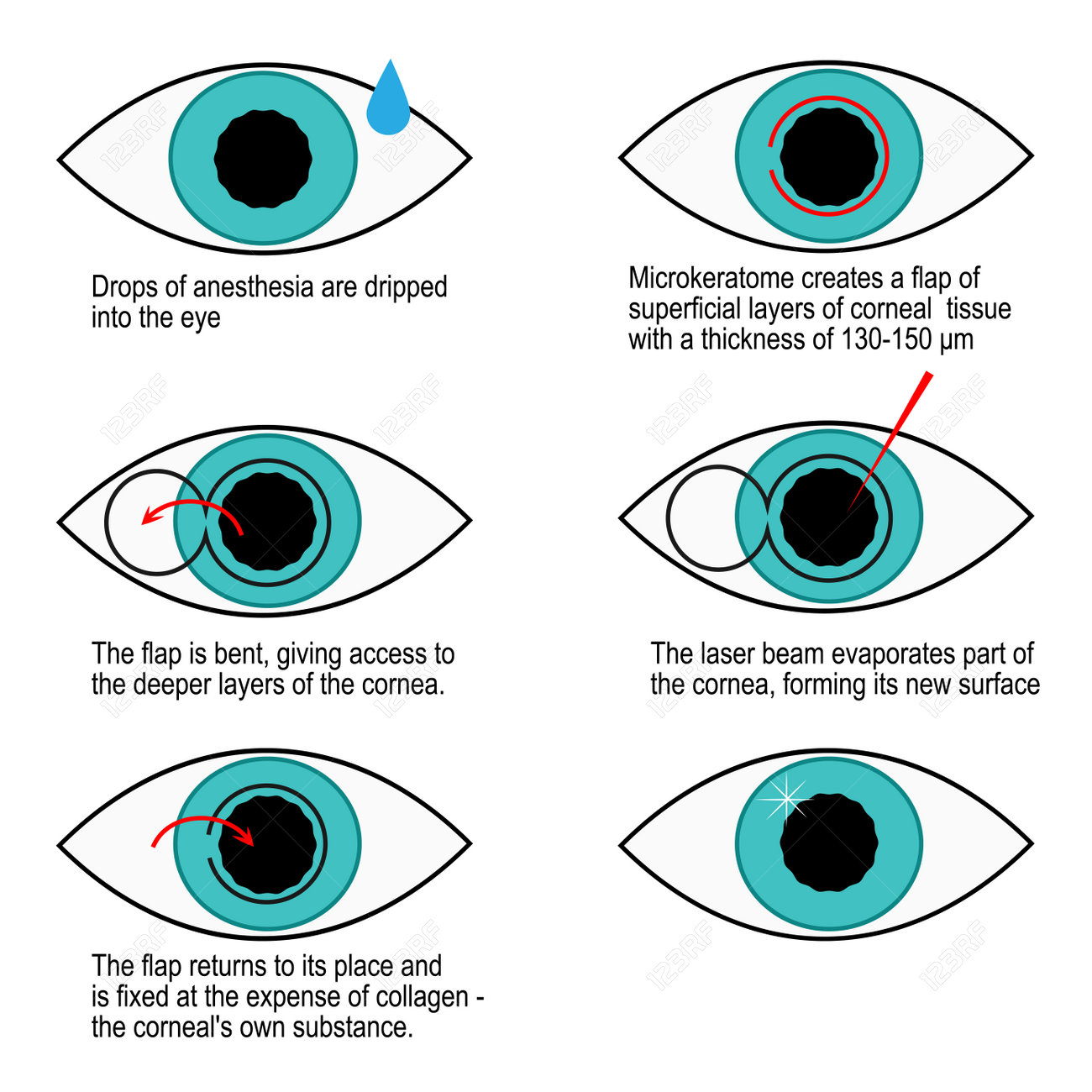
https://www.stuff.co.nz/life-style/123081678/covid19-foggy-glasses-spawn-lasik-surgery-revival-in-the-us 's not a reoccurrence of cataracts but a typical negative effects of surgical procedure. You could discover blurred vision, glare, or problem seeing in low light as PCO establishes.
Another factor could be age-related modifications in the eye, which might influence your vision also after surgery. If you begin to discover these symptoms, it's essential to consult your ophthalmologist.
They can perform an easy outpatient procedure to get rid of the over cast membrane and recover your vision.
How to Manage Changes in Vision Post-Surgery?
Experiencing modifications in vision after cataract surgical procedure can be irritating, especially if you've previously taken pleasure in clear sight. To handle these changes, start by attending all follow-up appointments. Your ophthalmologist can monitor your progression and address any type of issues.
If you're managing glare or halos, consider utilizing sunglasses with a polarizing lens to decrease discomfort.
Maintaining a healthy and balanced way of life can additionally aid; eat nutrient-rich foods and remain hydrated. If you see consistent blurriness, don't hesitate to connect to your physician. They could recommend brand-new glasses or other rehabilitative procedures.
Finally, be patient with yourself; it may take some time for your vision to support. Depend on the process and connect openly with your health care team for the best outcomes.
Final thought
In recap, while cataracts themselves won't return after surgical treatment, you may run into comparable symptoms because of posterior capsule opacification (PCO). Remaining alert with regular eye exams is necessary to capture any kind of changes in your vision early. If you see obscured vision or glow, don't be reluctant to connect to your ophthalmologist. With punctual treatment, you can preserve clear vision and appreciate life without the cloudiness that once influenced your view.